INTERNATIONAL CONFERENCE ON
Physics of Excitons and Polaritons in Semiconductors
PEPS
6th – 10th July 2026
ENS Paris-Saclay, France



About
After a successful start of this new conference series in 2024 in Reykjavík, Iceland, we now welcome you to our second event! The second international conference on Physics of Excitons and Polaritons in Semiconductors (PEPS) will now take place in Paris Saclay between 6th – 10th July 2026 where we also celebrate the 20th anniversary on the discovery of polariton condensation! PEPS is a brand new biennial conference series focused on bringing together experts, early career researchers, students and young minds working on quantum light-matter technologies and the optics of semiconductors. The foundation of this new colloquium is built upon strong light-matter effects in optical cavities, advances in exciton-polariton physics, macroscopic quantum phenomena, and polarization- and spin-transport physics in nanostructures.
We especially welcome early career researchers and Ph.D. students to come and present their research.
Topics of PEPS 2026 involve but are not limited to:
- Excitons and polaritons in
- Perovskites
- Emerging two-dimensional materials
- Organic materials
- Excitons in molecules, colloidal nanocrystals, and quantum dots and wires
- Topological photonics and polaritonics
- Advances in plasmon- and phonon-polariton physics
- Light-matter physics in photonic crystals, metamaterials, and waveguides
- Bose-Einstein condensation of excitons and polaritons
- Macroscopic quantum phenomena and many-body physics of excitons and polaritons
- Nonlinear and transient dynamics of exciton and polariton quantum fluids
- Quantum optics of excitons and polaritons
- Optomechanics and polaromechanics
- Unconventional, quantum, and neuromorphic computing with polaritons
- Spinoptronics and polarization transport
- Advances in synthesis and fabrication of photonic nanostructures and optical materials


Conference Venue
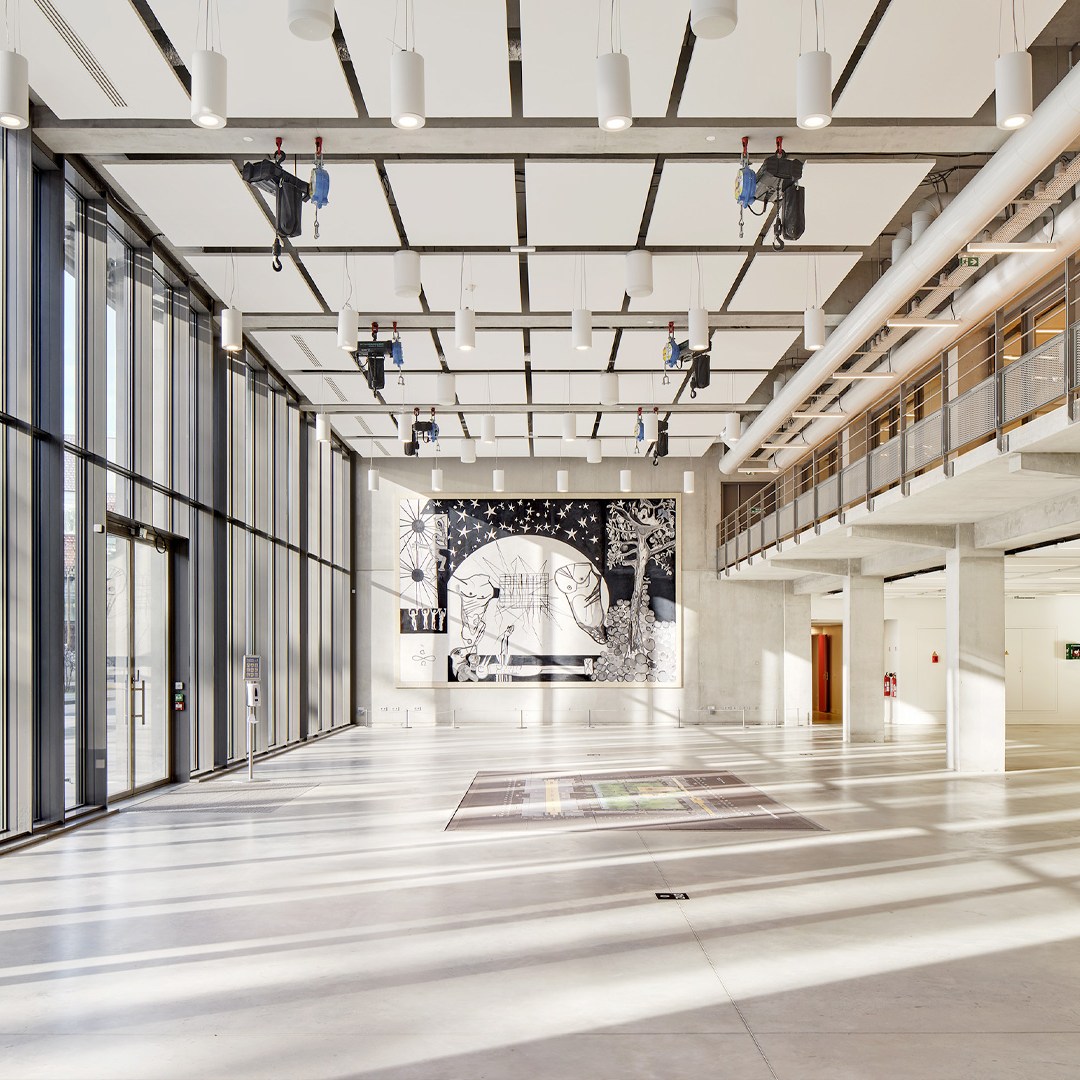
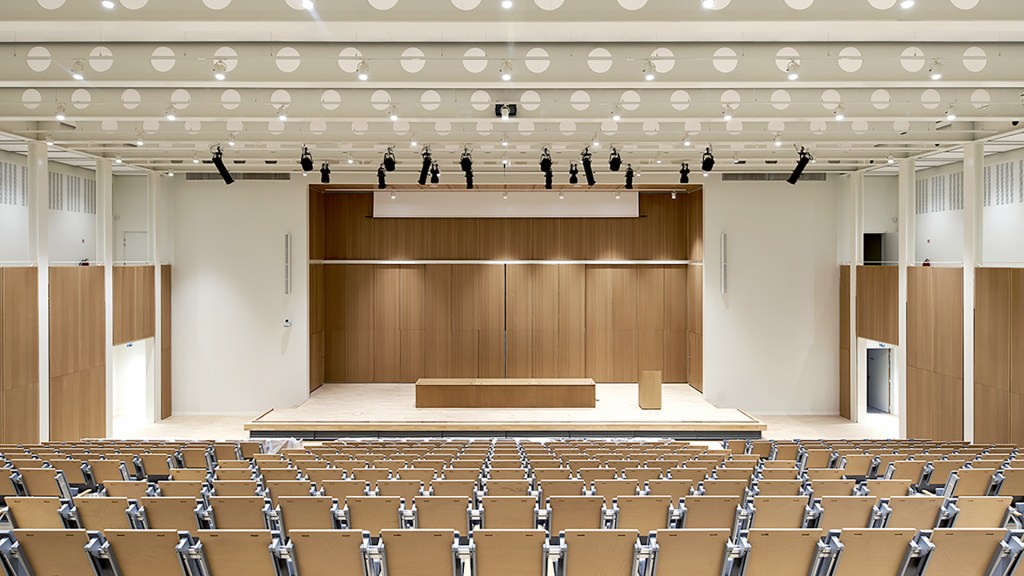
The conference will take place in the Grand Amphithéâtre Alain Aspect (500 seats) at the ENS Paris-Saclay campus.
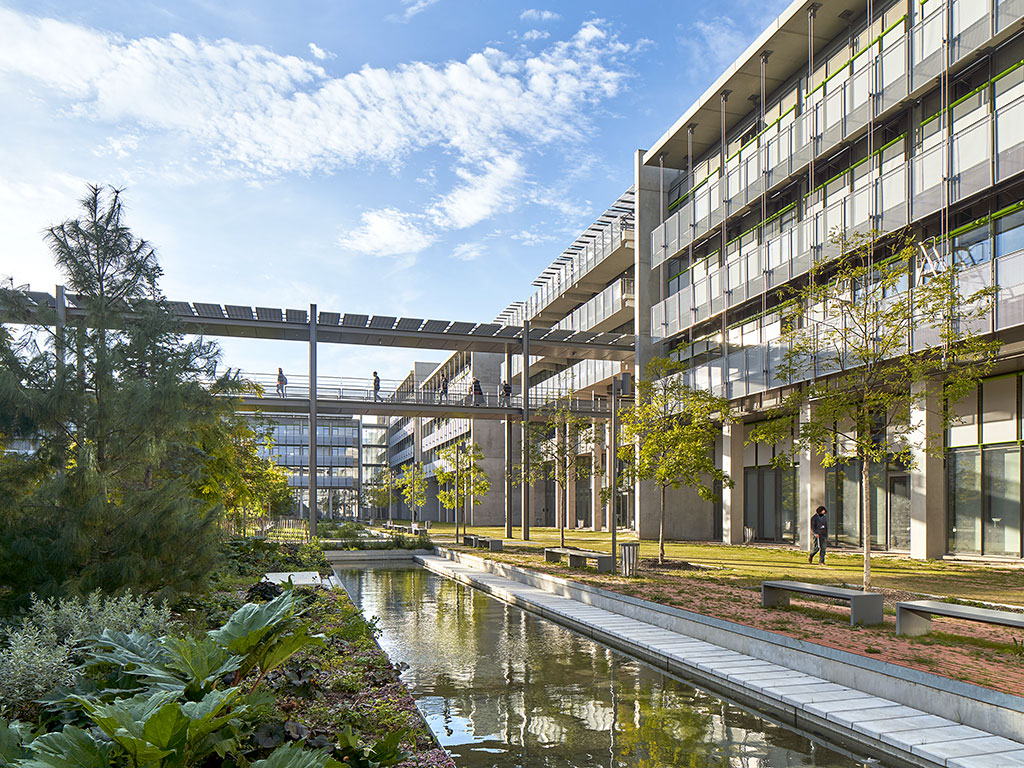
University Paris-Saclay is a prominent French public research university located in the southern suburbs of Paris. Its history stretches as far back as 12th century Université de Paris, and in 2019 it saw its latest transformation where it combined several technical grandes écoles, as well as several technological institutes, engineering schools, and research facilities. Today, University Paris-Saclay brings together a cluster of prestigious institutions including research organizations like CNRS, CEA, and INRAE, and universities. Known for being a leading center for higher education and research in Europe, with a strong emphasis on science, innovation, and global collaboration it is frequently ranked among the top universities in the world, especially in mathematics and physics such as Academic Ranking of World Universities (ARWU).
Venue address:
École normale supérieure Paris-Saclay
4, avenue des Sciences
91190 Gif-sur-Yvette
Important dates
- 1st of January 2026: Abstract submission opens
- 1st of February: Registration opens
- 15th of April: Abstract submission closes
- 1st of May: Notification of acceptance
- 1st of June: Early bird registration closes
- 1st of July: Registration closes
- 6th of July: Conference opening
- 10th of July: Conference closing

Invited speakers

Ataç İmamoğlu
ETH Zürich
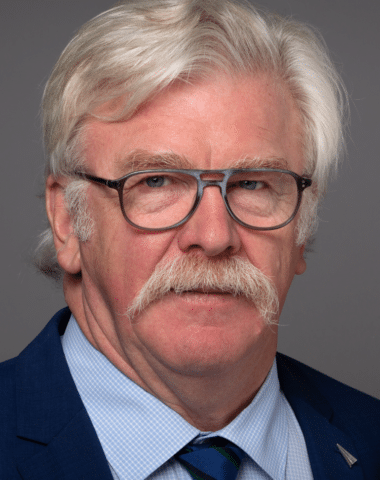
Benoît Deveaud
École Polytechnique Fédérale de Lausanne

Anna Minguzzi
CNRS/Université Grenoble-Alpes
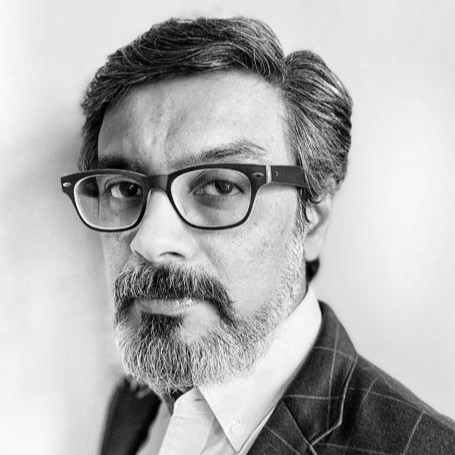
Vinod Menon
The City College of New York

Camille Lagoin
CRHEA, CNRS

Angela Vasanelli
Université Paris Diderot

Anna Monika Seiler
ETH Zürich

Elena Rozas Jimenez
TU Dortmund

Iacopo Carusotto
Pitaevskii BEC Center, INO-CNR, Trento, Italy
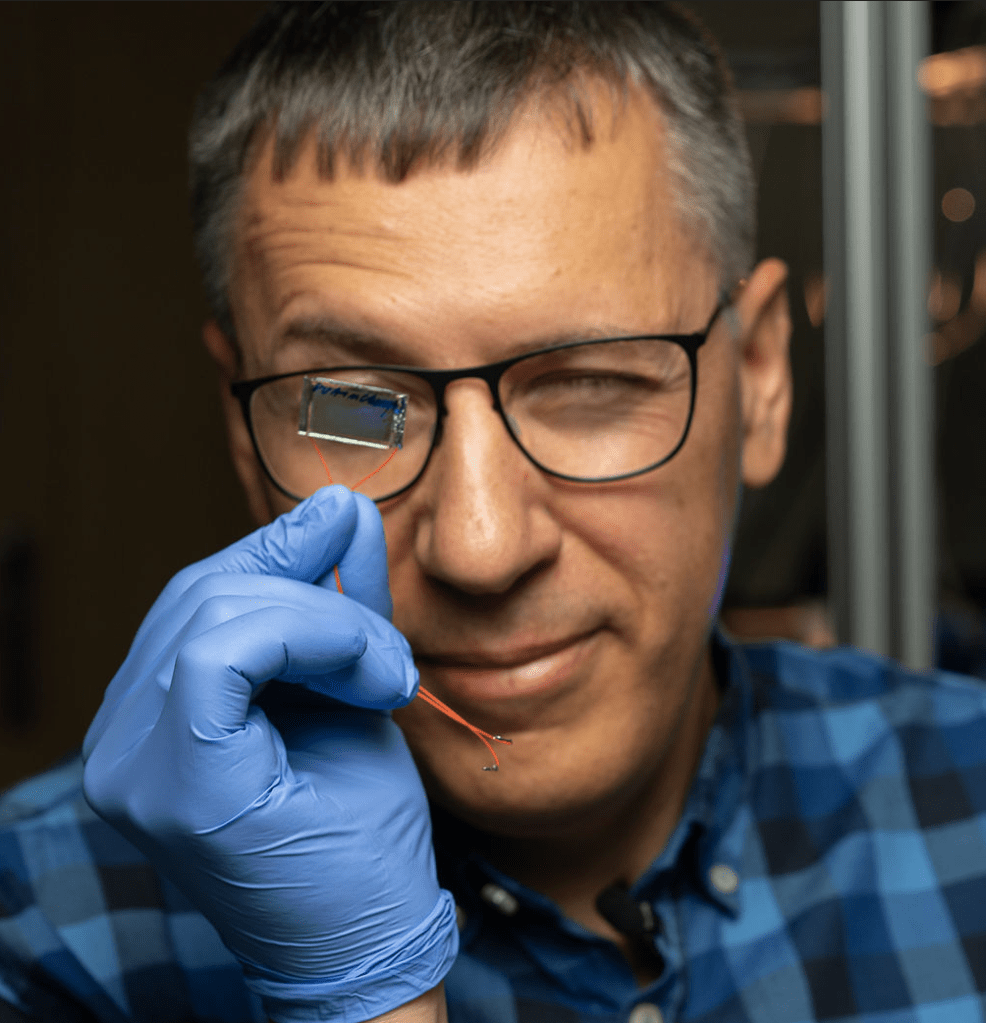
Jacek Szczytko
University of Warsaw
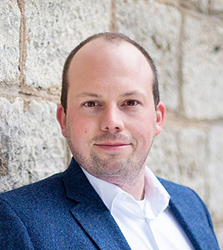
Sebastian Klembt
University of Würzburg

Alexander Kuznetsov
Paul Drude Institute
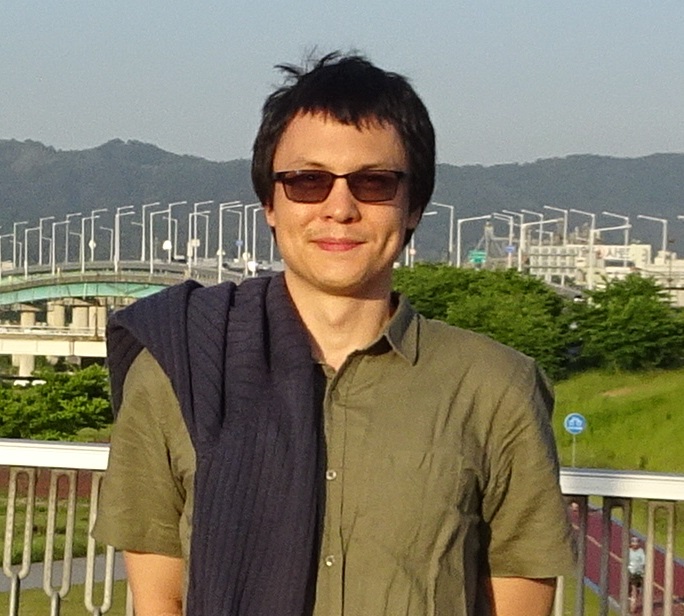
Timothy Liew
Nanyang Technological University
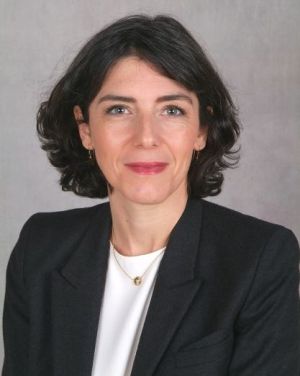
Carole Diederichs
Ecole Normale Supérieure de Paris
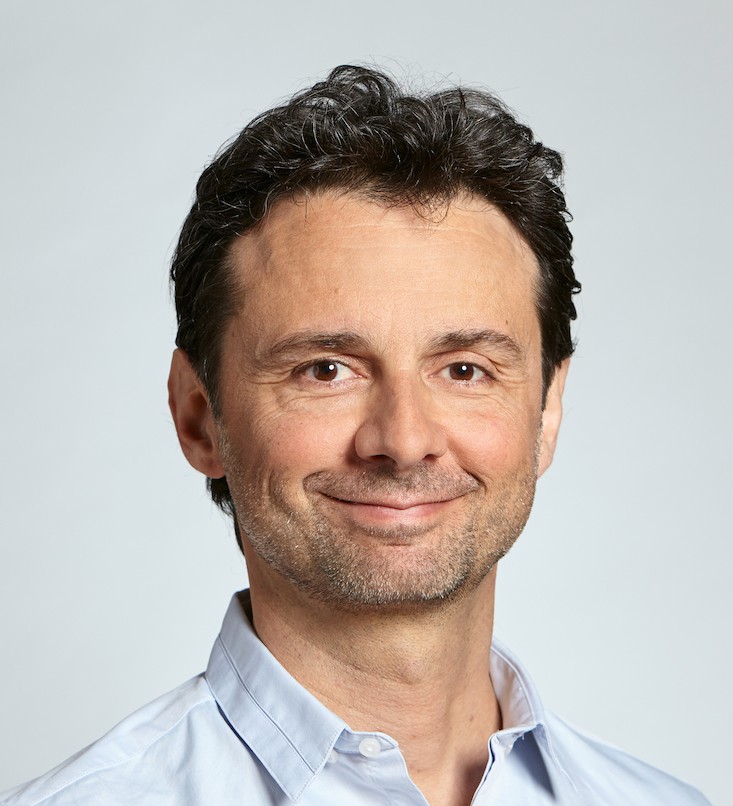
Giacomo Scalari
ETH Zürich
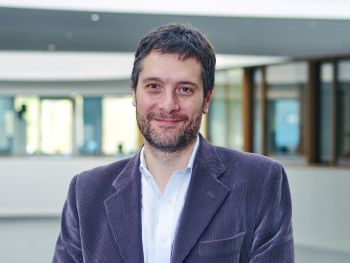
Andrea Cavalleri
University of Oxford
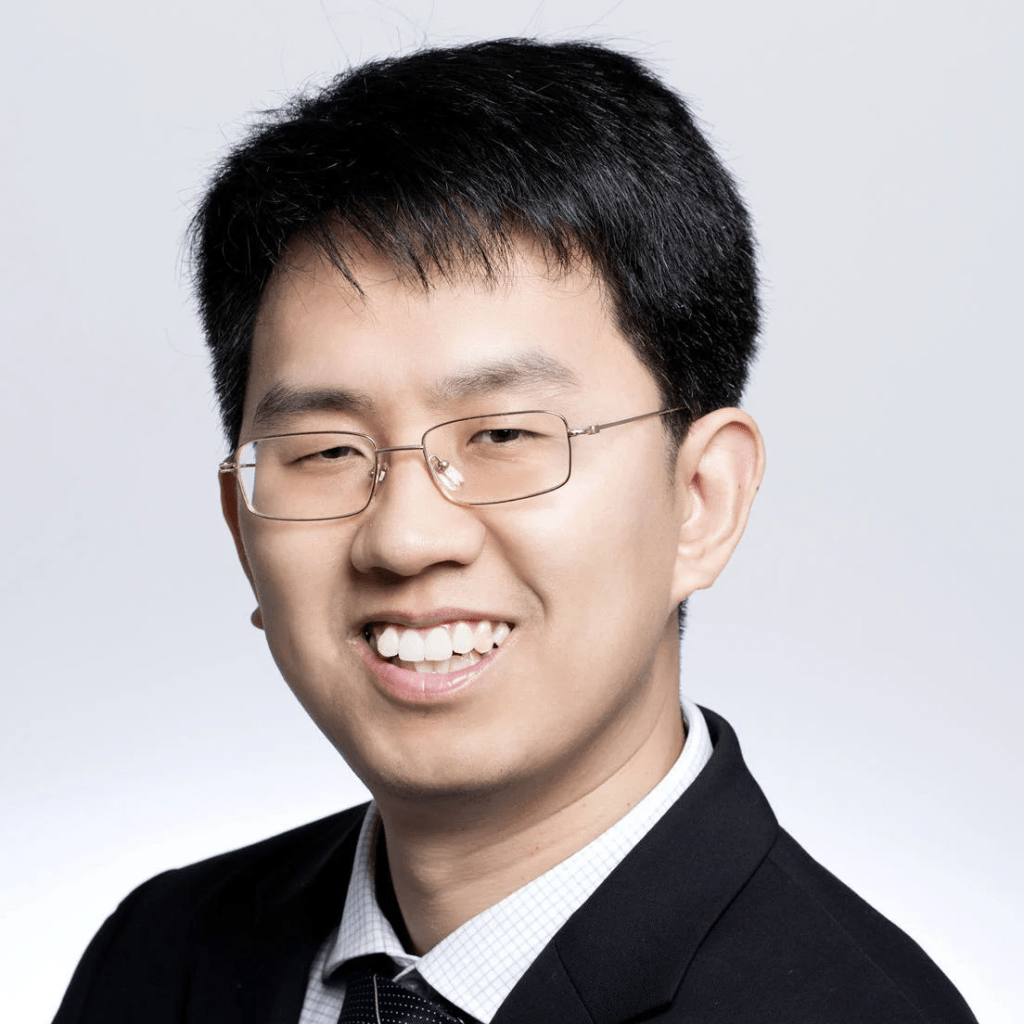
Wei Bao
Rensselaer Polytechnic Institute
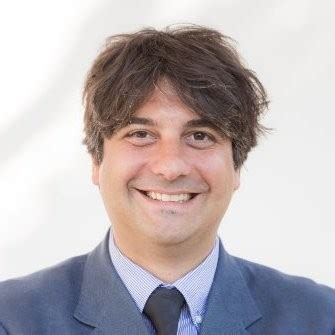
Gabriele Raino
ETH Zürich
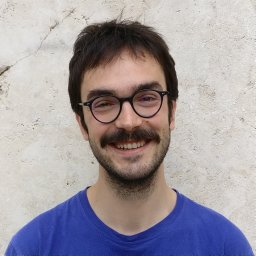
Michele Rota
Sapienza University of Rome

Loïc Lanco
Paris Diderot University
Organising committee
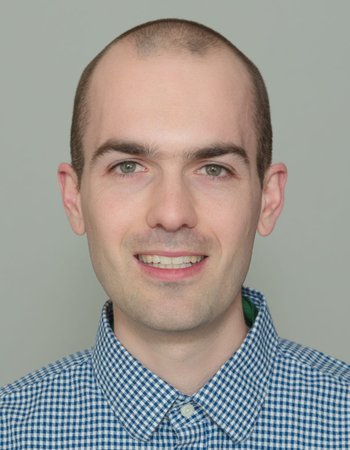
Sylvain Ravets
CHAIR
University Paris-Saclay

Helgi Sigurðsson
ORGANISER
University of Warsaw

Jacqueline Bloch
ORGANISER
University Paris-Saclay
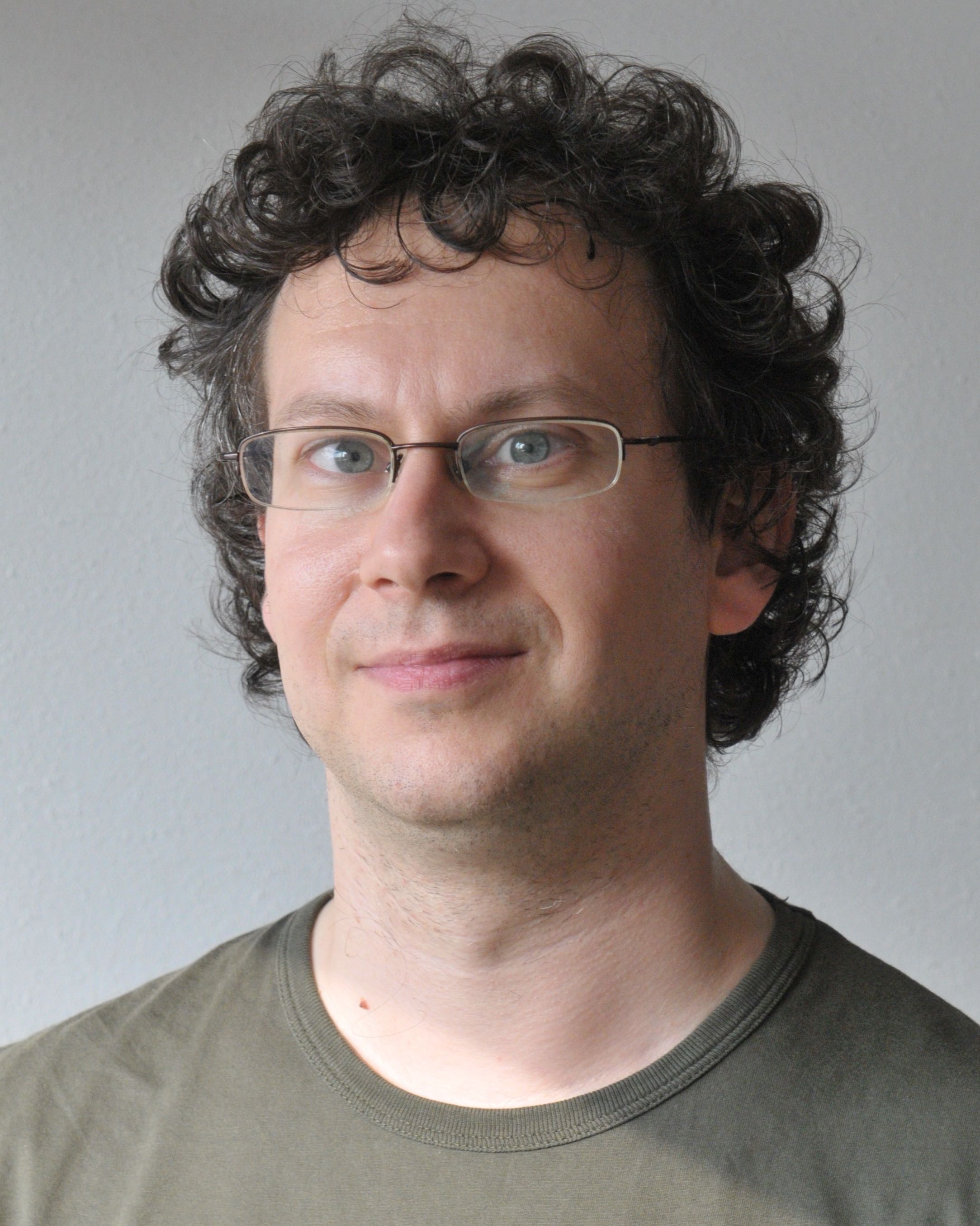
Alexandre Le Boité
ORGANISER
Université Paris Cité

Jean-Sébastien Lauret
ORGANISER
University Paris-Saclay
Registration
We ask that participants register through the dedicated CNRS Azur Colloque platform:
https://dr04.azur-colloque.fr/inscription/fr
The registration fee includes full access to the conference; conference bag; coffee breaks; lunches; excursion; and gala dinner.
- Early bird registration: 600 €
- Regular registration: 750 €
There are three types of contributions towards the conference program. You can find more information on abstract submission here.
- Invited talk (25+5 minutes)
- Contributed talk (12+3 minutes) and a poster (optional) summarizing the talk.
- Poster contribution
Conference program
Detailed conference program will be released later.
Program committee
Alex Fainstein – Centro Atómico Bariloche and Instituto Balseiro
Zhanghai Chen – Xiamen University
Alexandra Boltasseva – Purdue University
Maxime Richard – Majulab, CNRS, National University of Singapore
Vinod Menon – City College of New York
François Dubin – Université Côte d’Azur, CNRS
Hai Son Nguyen – Ecole Centrale de Lyon
Sven Höfling – University of Würzburg
Daniele Sanvitto – CNR Nanotec Lecce
Jérôme Faist – ETH Zürich
Barbara Piętka – University of Warsaw
Marzena Szymańska – University College London
Mete Atatüre – University of Cambridge
Doris Reiter – TU Dortmund University
 Physics of Excitons and Polaritons in Semiconductors